


شرطة الاطفال العراقية المطورة
4.217.00 Reviews
App Specs
- Version
- 8.0.0
- Updated On
- License
- Free
- Downloads
- 100,000+
- Developer
- naif212
- Categories
- Parenting
- Platform
- Android
Screenshots
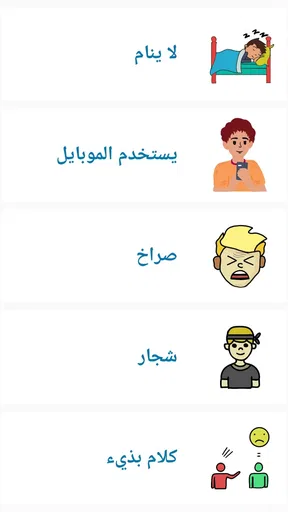

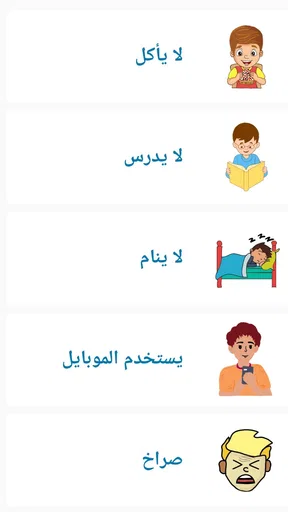

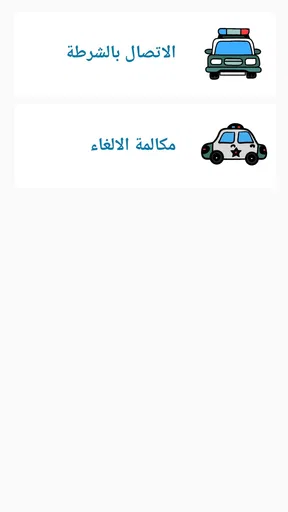
 Analysis by AppCompare
When I tried شرطة الاطفال العراقية المطورة, I understood its appeal quickly: it is a free parenting app built around the idea of “children’s police” conversations in the Iraqi dialect. That focus matters more than a long feature list. The app is not trying to be a general parenting guide or an educational game; it gives parents a culturally familiar way to stage a short, serious-sounding conversation when a child needs a reminder to stop unsafe, disruptive, or unwanted behavior.
For families who speak Iraqi Arabic at home, that local tone can make the experience feel more immediate than a generic discipline app translated from another language. The store summary presents it as a children’s police app that works without an internet connection, which is especially useful when a parent wants to use it quickly rather than search for a video or depend on a live connection. My overall impression is that its value comes from convenience and familiarity, not complexity.
Why the Iraqi-dialect police concept is the real feature
The central capability is simple: the app lets a parent use a police-themed interaction in the Iraqi dialect as a behavior-management prompt. That can sound theatrical, but the theatrical element is exactly why it may catch a child’s attention. A normal warning from a tired parent can become background noise after a long day. A different voice and a recognizable role can interrupt that pattern.
I would not treat this as a replacement for explaining rules, listening to a child, or setting consistent boundaries. It works better as a short reset. The parent still decides what the child needs to understand afterward. The app supplies a familiar frame for the first moment, while the actual parenting remains the responsibility of the adult.
This distinction is important because the same police theme will not suit every family. Some children may find it amusing and respond immediately; others may become anxious or see it as a threat. I would introduce it gently rather than presenting it as proof that real police are coming. Used as pretend role-play, it can be a practical attention tool. Used to frighten a child into obedience, it can create the wrong association.
The Iraqi dialect is also more than a cosmetic detail. Language affects whether a child understands the tone, humor, and seriousness of a message. Parents who normally speak Iraqi Arabic with their children may find the app easier to use naturally than an Arabic-language alternative with a different regional voice. That does not make it universally better, but it gives it a clear audience and a specific cultural advantage.
The application belongs to the parenting category, and its straightforward purpose makes it easy to understand before installation. It is free, carries an Everyone age rating, and has reached over 100 thousand installs. Its average rating is 4.2 from around 580 ratings, which suggests that many users find the concept useful while leaving room for individual differences in how children react to it.
Worth Reading Before You Choose

EA SPORTS FC Mobile 26 Is a Bigger Football Game, but It Takes Time

Flipboard Shows What News Apps Must Do Beyond the Feed

Switching to Android Auto Means Rethinking Your Driving Routine

Google Calendar Makes a Crowded Week Easier to Manage

Ludo King Makes the Most of the Minutes Between Plans

Baby Panda World Brings Quick Play to Modern Phones, but Its Game Library Feels Busy
What using it without internet changes
The offline focus is one of the most practical parts of the experience. Parents often need a tool at inconvenient times: in the car, during a family visit, in a place with weak reception, or when they simply do not want to hand a child a connected device. An app that can be opened without waiting for a network is easier to keep ready for those moments.
There is also a privacy and attention benefit to offline use, even without making assumptions about the app’s technical behavior. The parent does not need to turn the situation into a search session, browse unrelated content, or depend on a streaming service. That reduces the number of steps between noticing a problem and giving a calm reminder.
My advice is to open and understand the app before the first stressful situation. Offline tools are most helpful when the adult already knows what to expect. Spend a quiet minute checking the available interaction and deciding how you will follow it with your own explanation. That preparation prevents the app from becoming a random threat pulled out at the worst possible moment.
How it works in an ordinary family routine
The most useful way to think about this app is as a prompt with a beginning and an ending. The beginning is the police-style intervention. The ending should be a normal conversation between parent and child. If the app is used only as a sudden scare, the child may focus on avoiding the voice rather than understanding the behavior that needs to change.
Imagine a child repeatedly refusing to put away toys before bedtime. After several ordinary reminders, a parent could use the app briefly, keep the tone controlled, and then say exactly what needs to happen: the toys go into their place, the child gets ready, and the evening continues. The app has helped interrupt the argument, but the clear instruction and predictable consequence come from the parent.
A second useful situation is a public place where a long lecture would attract more attention. A parent might use the app as a short signal, then move somewhere quieter and explain the boundary. In that setting, the offline design is convenient because the parent is not trying to play a video or find a network connection while also managing the child.
I would avoid using it for every small disagreement. If a child hears the same police intervention constantly, it can lose its impact and may turn into a joke. A better workflow is to reserve it for moments when a child is ignoring an already-known rule, then return to ordinary communication. That keeps the tool from becoming the entire discipline system.
Another useful habit is to explain the role before there is a problem. A parent can say that the app is pretend and that it helps remind the family about safety and respectful behavior. This is especially helpful for younger children or children who are sensitive to authority figures. The explanation does not ruin the effect; it gives the child a safer framework for understanding what is happening.
Because the app is aimed at children and uses a police theme, adult supervision matters. I would not leave a child alone with it as if it were an independent game. The child may tap through the experience differently than the parent expects, and the meaning of a serious voice depends heavily on age, personality, and context.
A realistic use case where it makes the most sense
The strongest scenario for me is a household that already speaks Iraqi Arabic and wants a quick, offline reminder during repeated rule-breaking. Picture a parent preparing dinner while one child keeps pushing another away from the table. The parent has already stated the rule once, but the behavior continues. Instead of starting a louder argument, the parent can use the app for a short intervention, separate the children, and then explain the specific safety rule.
In that example, the app is useful because it changes the rhythm of the moment. It does not solve sibling conflict by itself, and it should not replace checking whether someone is hurt or upset. Its role is to create a pause so the adult can regain control of the conversation. The Iraqi dialect may also make the message feel more natural than a formal or unfamiliar voice.
It can be similarly helpful during transitions: leaving a relative’s home, stopping screen time, getting ready for school, or settling down before sleep. These moments are difficult because children are moving from something enjoyable to something required. A brief, consistent cue can help, but only if the parent follows it with a routine the child recognizes.
I would not use it during a genuine emergency, a medical issue, severe distress, or a situation involving danger. In those cases, the child needs direct adult action, reassurance, and appropriate help. The app is a behavior prompt, not an emergency service and not a substitute for supervision.
Small techniques that improve the result
First, decide the desired action before opening the app. “Stop” is vague, while “put the scissors on the table and come here” gives the child something concrete to do. The police-themed prompt may gain attention, but a precise next step is what turns attention into cooperation.
Second, keep the follow-up shorter than the argument that came before it. After the intervention, state the rule once and offer a clear choice when appropriate. A long lecture can undo the benefit by turning the moment into another negotiation. I found the concept works best as a bridge back to calm parenting, not as a performance that continues indefinitely.
Third, watch the child’s reaction rather than assuming that silence means success. A child who becomes frightened, freezes, or starts worrying about real police may need reassurance and a different approach next time. A child who laughs may still understand the boundary, but the parent should not keep escalating the role-play simply to make it feel powerful.
Finally, use the same rule when the app is not present. If the child only follows instructions after hearing the police voice, the tool has become a crutch. The healthier result is that the app occasionally supports a routine that the child is gradually learning to follow without it.
Trade-offs compared with ordinary parenting tools
Compared with a parenting book, this app is much faster and more situational. A book can explain child development, routines, emotional regulation, and long-term discipline, while this application concentrates on a single type of immediate prompt. If you want detailed guidance about why a child behaves a certain way, the app will feel limited.
Compared with general children’s entertainment, it has a narrower purpose. It is not something I would install to keep a child occupied for a long period. Its value is tied to a specific adult-led moment, so families looking for stories, learning activities, creative play, or broad educational content should choose a different category of app.
Compared with a live call or a custom recording from a family member, the app is less personal. A parent cannot tailor every word to the child’s age, current emotion, or exact mistake in the same way they can with their own voice. The advantage is speed and a ready-made Iraqi police theme; the cost is reduced flexibility.
Compared with simply speaking firmly, the app can break a repetitive argument, but it may also make discipline feel external. Children need to learn that household rules matter because they protect people and support family life, not only because a police voice might appear. I would therefore use the app sparingly and make the reason for the rule part of the follow-up.
The concept can also be a poor fit for children who are already afraid of police, authority figures, loud voices, or being punished. For those children, a calm visual timer, a predictable transition routine, or a parent-led conversation may work better. The same is true for older children who are likely to see the role-play as childish or manipulative. Age rating does not tell you whether the tone is emotionally suitable for your particular child.
There is a cultural trade-off as well. The Iraqi dialect is a strength for Iraqi-speaking families, but it may be less natural for households that use another Arabic dialect or another language at home. A child may understand the words but not connect with the voice or cultural cues. In that case, the app’s defining feature becomes less useful, and a locally familiar alternative may be more effective.
What the current version means for prospective users
The current version is 8.0.0, and the app supports devices using Android 5.0 or later. That makes it accessible to people keeping an older Android phone for family use. It is worth remembering that an older compatible device may not feel as smooth as a newer one, especially if it has limited storage or battery life, but the stated minimum makes the app practical for a broad range of Android households.
The developer is naif212, and the app was released on April 13, 2023. I mention these details because they help set expectations: this is a focused, relatively recent parenting utility rather than a large platform with a wide ecosystem of connected services. Its appeal should be judged by whether the Iraqi police concept fits your family, not by expecting the depth of a comprehensive parenting suite.
The free price removes the main barrier to trying it. Even so, “free” does not mean it is automatically right for every child. I would test the tone with your child in a calm moment, explain that it is pretend, and decide whether the response is helpful. If it creates fear or turns every instruction into a contest, uninstalling it is the sensible choice.
Who benefits most from this focused approach
I think the best audience is parents or caregivers who speak Iraqi Arabic, want an offline tool, and need a quick way to interrupt repeated misbehavior without searching for content. It is particularly suitable for families that already use role-play lightly and can keep the police theme within a clear, reassuring boundary.
It may also help a parent who has tried repeating the same instruction and needs a change of rhythm rather than a louder voice. The app can create that change, especially during transitions such as bedtime or leaving the house. The key is to pair the prompt with a familiar routine, so the child knows what cooperation looks like afterward.
I would skip it if you are looking for professional parenting advice, developmental explanations, therapeutic support, or a complete behavior plan. I would also skip it if your child reacts badly to authority-themed play, or if your household does not use the Iraqi dialect naturally. In those cases, a calmer and more personalized method is likely to produce better results.
For me, the app succeeds because it stays focused. It does not need to be a large parenting platform to be useful in the right moment. Its offline availability, free access, and Iraqi-dialect identity make it easy to try, while its narrow purpose means expectations should remain realistic. The most effective use is not frightening a child into obedience; it is using a brief role-play cue to regain attention, then returning to calm, specific parenting.
If that approach matches your family, شرطة الاطفال العراقية المطورة is worth considering as a small tool for occasional situations. I would keep it under adult control, introduce it honestly as pretend, and avoid making it the only consequence a child recognizes. Used with that balance, it can add a culturally familiar pause to difficult routines without pretending to replace the patience and consistency that parenting still requires.
Pros
- Child-friendly Iraqi Arabic voice interactions make pretend police play more engaging.
- Simple interface is easy for young children to navigate independently.
- Useful for role-play
- listening practice
- and light entertainment at home.
- Designed around familiar local language and cultural context.
- Quick access to playful call scenarios without complicated setup.
Cons
- Some children may find the police-call theme intimidating or confusing.
- Repeated voice lines can become predictable after extended use.
- Entertainment value may be limited for older children.
- Requires careful parental guidance to prevent misuse as a real emergency call.
- Audio quality and recognition may vary across different devices.
FAQs for شرطة الاطفال العراقية المطورة
What is شرطة الاطفال العراقية المطورة, and what is it designed for?
شرطة الاطفال العراقية المطورة is an Arabic-language children’s entertainment app that uses pretend police-call scenarios to encourage better behavior. Parents can select or present suitable messages involving common situations such as refusing instructions, misbehaving, or not following routines. It is intended as a playful parenting aid rather than a real emergency, law-enforcement, or child-monitoring service.
Is شرطة الاطفال العراقية المطورة suitable for all children?
The app may be more appropriate for older children who understand that the calls are pretend, while younger or more sensitive children could find police-themed audio or conversations frightening. Parents should preview the available scenarios, choose gentle options, and observe the child’s reaction. It should never be used to create serious fear, threaten punishment, or replace calm communication and positive guidance.
Does the app require an internet connection or personal information?
Requirements can vary depending on the version installed and the device platform. Some features may work offline after installation, while advertisements, updates, external links, or certain media may require internet access. Before using it, review the permissions requested by the app and its privacy information. Avoid entering unnecessary personal details, especially information about children, unless the developer clearly explains why it is needed.
Is شرطة الاطفال العراقية المطورة a real police service or an emergency application?
No. This application should not be treated as a real police service, emergency contact tool, or direct communication channel with Iraqi authorities. Its police conversations are simulated for entertainment and parenting purposes. In an actual emergency, contact the appropriate local emergency services directly and follow official guidance. Parents should also explain to children that the app’s calls are fictional.
What should parents consider before downloading and using the app?
Parents should check the app’s developer information, ratings, recent reviews, update history, permissions, advertising behavior, and compatibility with their Android or iOS device before downloading. It is best to test the app privately first, select age-appropriate content, and use it alongside explanation and encouragement. Because availability and features may change, verify the current store listing and privacy policy before installation.


